Protect backyard chickens, livestock from extreme heat
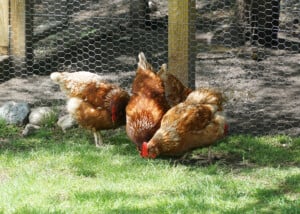
RAYMOND, Miss. (PRESS RELEASE) – Sources from a press release say that when summer heat reaches extreme levels, humans are not the only ones who struggle to stay cool.
Livestock, including backyard chickens, can also be at risk for dangerous and even deadly heat stress.
“While backyard chickens are much more tolerant of heat stress than our commercial birds that are grown in controlled settings, you can have extreme cases that can cause problems for backyard birds,” said Jessica Wells, a poultry specialist who focuses on backyard chickens with the Mississippi State University Extension Service.
The first signs of heat stress in chickens include panting and drooping of their wings, which help dissipate body heat. As body temperature rises, their combs and wattles will lose some color, and chickens will become lethargic.
Long-term effects of heat stress without intervention include reduction of egg production and death. If the bird is stressed to the point that egg production is reduced, it could be a month before they reach normal production again.
But hens can also fully recover from heat stress, said Wells, who is also an assistant teaching professor in the MSU Department of Poultry Science.
To bring down the body temperature of an overheating hen, chicken keepers can submerge the bird’s lower body in cool, not icy, water. Be careful to keep the bird’s head above water.
Wells said some simple steps can help prevent heat stress, including providing shade, ventilation, and fresh, cool water.
“Be sure your chickens have some form of shade available throughout the day, whether they are in a coop or are allowed to free range,” she said. “Adding ventilation, fans or misters to their area can help keep the air temperature cooler. Providing drinking water that is cooler than the air temperature helps lower their body temperature.”
Frozen treats can also help keep chickens from overheating, but it is important to make sure that these treats are not the only food chickens are consuming. Treats should also be nutritionally valuable.
“When it gets really hot, chickens will choose to eat less,” Wells said. “So, if you are adding in treats, make sure you are feeding a balanced diet in the early mornings when temperatures are not as extreme. This ensures chickens are getting the right amount of nutrients through their regular diet.”
Freezing cut-up fruits and vegetables in water-filled ice trays is an acceptable treat for hens in hot weather.
Wells cautioned backyard bird keepers to make sure they understand the source of any information they choose to follow when it comes to taking care of their birds. The local MSU Extension office is a good place to start. Other Extension sources or journal articles that are well cited can also be trusted. Journal articles are written by scientists with years of experience.
“Unfortunately, we tend to turn to social media for advice because it is so readily available. But it’s important that we fact check. I have seen some advice that seems good but can be harmful to birds or is not the best method to use,” she said.
Carla Huston, Extension veterinarian and professor with the MSU College of Veterinary Medicine, said extreme heat is also dangerous to larger livestock that may not be able to find adequate shade easily.
“Horses can sweat profusely, but cattle and swine are more limited in the way they dissipate heat. Cattle have few sweat glands, and pigs essentially have none,” Huston said. “While livestock can become acclimated to their environment and their hides and coats help provide a sort of insulation, large animals can succumb to the same types of heat stresses as smaller animals and people.”
Huston said large livestock should always have access to fresh, cool water. They are less likely to drink water that has been sitting for long periods and is warm. Feeding ruminants, such as cattle, sheep and goats, is best done in the evening to help keep their body temperatures lower as they digest their food.
Making sure enough shade is available helps prevent heat stress and reduced performance in livestock. Provide enough space for the animals to spread out and have air movement between them. A minimum of 25 to 30 square feet of shade per head for cattle is recommended.
Insect control is also critical. Large numbers of flies and other insects cause irritation, rubbing and scratching, which raises the animal’s stress level and temperature.
When long stretches of extreme heat are predicted, livestock owners should take steps to ensure their animals stay as cool as possible.
• Make sure all waterers are functioning properly, and refill tanks frequently for a fresher water source.
• Check shady areas where livestock gather for poisonous plants or other potential hazards.
• If animals are housed, the safe use of a portable fan to increase air flow will make a tremendous difference as well.
“The key word here is safe when you’re using fans because electrical barn fires are not uncommon,” Huston cautioned.
Heat-stressed animals pant and breathe rapidly, are reluctant to move, and their body temperature can get extremely high. Normal body temperature is around 101.8 degrees for cattle.
“Recognizing the signs of heat stress in any animal is key to preventing further injury or even death,” Huston said. “If large animals show signs of heat stress, move them slowly, if at all, to a shady area and provide cool water as soon as possible.”
For more information about backyard chickens, contact the local MSU Extension office and download MSU Extension Publications 3624 and 3036, “Poultry Beginnings: Raise Your Own Backyard Chickens” and “Choosing the Right Breed for Your Backyard Flock.”