Task Force members discuss silent crisis among first responders in Mississippi
MISSISSIPPI (WCBI) – Nationally, more first responders lost their lives to suicide than in the line of duty.
Mississippi is bringing together professionals from a range of backgrounds to help those who serve on the front lines every day deal with the trauma they face daily.
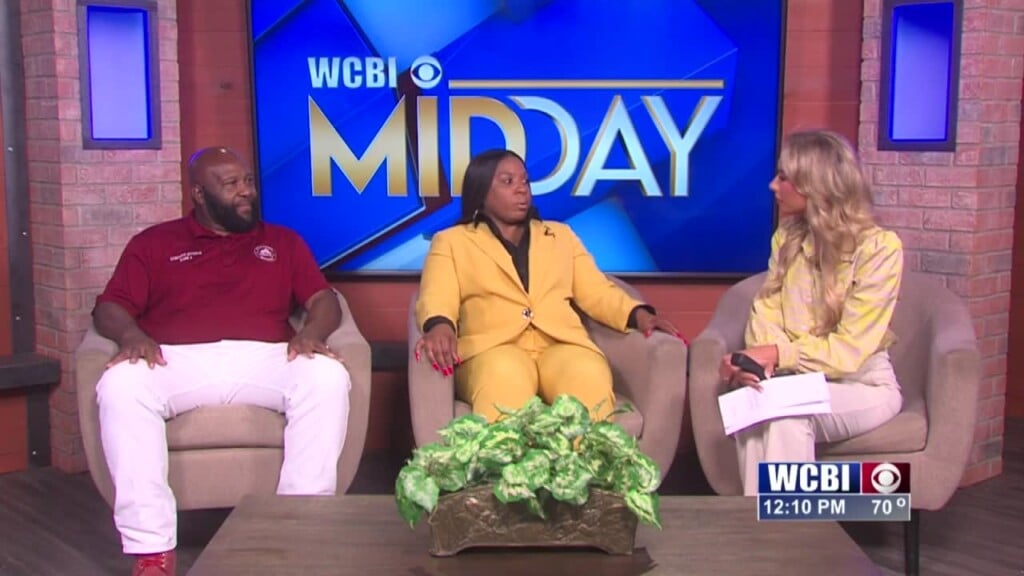
A team of medical professionals, first responders, and Mississippi lawmakers came together to see how they can work together more effectively and help save the service member task force.
“First responders can see things in one day that the average citizen may never see in a lifetime,” said chairman of the Mississippi First Responder PTSD and Suicide Prevention Task Force, Johnny Poulos.
These tragic events have lasting effects on first responders. They also take a toll on their families.
“At the end of the day, that’s your first line of protection as a first responder is your family, and we have to have things in place for them,” Poulos said. “We have to provide the training for them as well.”
“What we need to do is get out of the 1980s and start recognizing the modern science behind long-term exposure to trauma,” said Starkville Police Chief Mark Ballard, who is also representing the Mississippi Chiefs of Police Association.
While helping us in a time of crisis, they are dealing with a crisis of their own – losing more first responders to suicide than in the line of duty, according to multiple sources.
But what would happen if you took first responders out of the picture for one day?
“No law enforcement, no EMTs, no firefighters,” Poulos said. “Take them completely out of the picture. What would you have? Total chaos.”
That’s why they say they need the support of the public.
Mississippi Highway Patrol Major Johnny Poulos says first responders get a lot of training, but where they’ve failed, he says, is never training them how to handle and process the traumatic events they will see almost daily through their careers.
Poulos is the chairman of the Mississippi First Responder PTSD and Suicide Prevention Task Force, which was created by the Mississippi Legislature earlier this year.
“When you lose more first responders to suicide nationally every year than by in the line of duty deaths, something’s wrong. In the past, there’s been this ‘suck it up mentality.’ That is no more. That is not working for us,” Poulos said.
Starkville Police Chief Mark Ballard, who is also representing the Mississippi Chiefs of Police Association, says this force was driven after a series of tragic events in the Gulf Coast community, but they recognized a statewide need.
The purpose is to take a closer look at professions that are impacted by trauma, which includes all first responders, and identify needs, gaps in training and resources, tear down barriers, and develop a successful and strategic plan that includes proposed legislation.
“Training is going to be very important going forward, to where we change that mindset to where physical fitness is important, we know that. But mental fitness in this profession is just as important or more important,” Poulos said.
“Not only through our basic academy, but through some of these organizations, we need to make it part of the certification process. We need to take it at the executive level of all these professions, and listen very carefully to the mental health experts that are out there,” Ballard said.
In the past, there has been a stigma when it comes to discussing mental health in these fields.
“Mental fitness is a word that we are going to start using intentionally in our department and hopefully within other organizations that helps change the culture and embrace understanding how to know yourself, your emotional intelligence of where you are, and how to properly address it,” Ballard said.
“First responders are human. We just receive training to go out to protect and serve,” Poulous said.
Poulos said they will also be relying on shared experiences.
“It’s important to have a peer support group within your agency,” Poulos said. “For example, if you have a firefighter subjected to a critical incident, there might be a fellow firefighter who has experienced that same type of trauma. They can talk together. It just goes a long way knowing you’ve got someone you can count on in the same profession.”
What about for volunteer, auxiliary, and reserve officers?
“I think when you talk about the state of Mississippi, we are so reliant on volunteers and auxiliary, it’s part of our culture with first responders. I think you have to, and that’s the purpose of the task force – to address these complicated issues. They’re not black and white to put in the research, put in the time, and make recommendations on that,” Ballard said.
“Normalize these types of conversations that have been uncomfortable in the past. It has to happen for retention, recruitment, and for first responders to go out and serve the public and have a normal, happy life as well,” Poulos said.
They said public support is important to the program’s success.
“Every night you watch the news, your viewers watch it. It’s going to be a tragedy, a death, a missing person, the death of a child, a vicious car wreck. These are impacting lives. We need the public to know this is very real and it’s impacting those men and women who chose this profession, and it’s impacting them long term. So if the public supports it, I think we can go a long way in addressing it,” Ballard said.
“And knowing that they support first responders, it makes first responders want to go out and do their job even more,” Poulos said.
The Task Force’s report is due before January 1st, 2026, and is expected to lead to additional legislation focused on mental health resources for first responders and their families.
Ballard said they hope to move forward with simple, solid, successful steps to continue the ongoing process.