Walmart and other big companies say tariffs are forcing them to hike prices
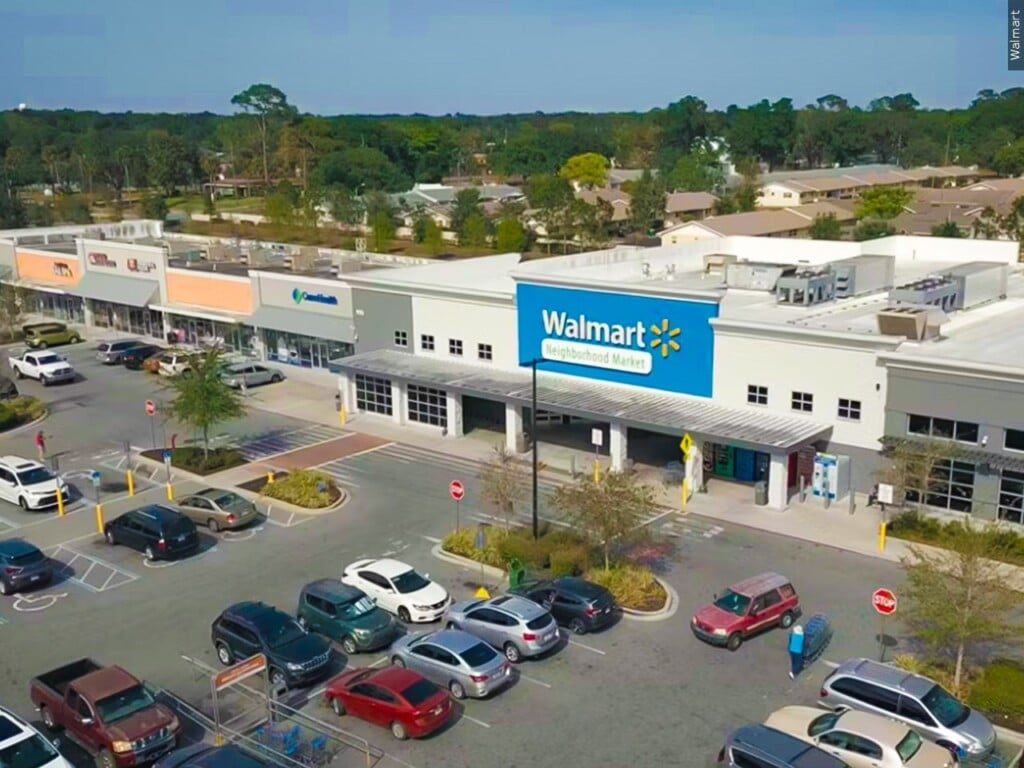
(CBS NEWS) – Sources from CBS News say that some of the biggest U.S. companies say they are passing tariff-related costs on to consumers, with Walmart this week attributing a jump in prices for certain goods sold by the retailer to higher import duties.
In a fourth-quarter earnings call on Thursday, Walmart said that inflation for general merchandise — or the prices it charges consumers for products like electronics and appliances — rose more than 3%, up from 1.7% between July and September. Most of those products are imported from overseas and are subject to Mr. Trump’s tariffs.
“[T]ariff-related costs lifted prices across many categories,” Walmart Chief Financial Officer John David Rainey told analysts.
Other companies have also recently pointed to Mr. Trump’s tariffs as one factor driving up prices. Columbia Sportswear executives said in an earnings call earlier this month that the outdoor clothing retailer plans to raise its prices for spring and fall merchandise by a “high single-digit percent.”
The company also noted it has taken other steps to mitigate the impact of tariffs, including negotiating lower manufacturing costs with its factories and shifting overseas production to countries facing lower U.S. tariffs.
Also in the apparel sector, denim company Levi Strauss recently cited the impact of steeper levies in raising prices, noting in a January call with analysts that “we implemented additional pricing actions to further mitigate tariffs.”
Other factors companies say have forced them to raise prices include rising labor and health insurance costs.
The White House disputes that tariffs are fueling inflation and hurting the economy.
“Americans have been hearing about one imminent inflation crisis or economic disaster after another for the past year because of President Trump’s tariffs,” White House spokesman Kush Desai said in a statement to CBS News. “Americans have instead experienced cooling inflation, $1,400 in increased real wages and accelerating GDP growth. The Trump administration will continue to deliver a pro-growth affordability agenda of tax cuts, deregulation and energy abundance.”
The Consumer Price Index, which measures changes in the cost of commonly purchased goods, rose a cooler than expected 2.4% in January compared to the same month a year ago — the slowest pace of inflation since May 2025.
Trump administration officials have said tariffs will also shrink the U.S. deficit by establishing fairer global trade terms, energize the domestic manufacturing sector and generate billions in federal revenue.
Are tariffs driving up inflation?
Although inflation cooled last month, it remains sticky. Government data released on Friday shows that another closely watched price gauge — Personal Consumption Expenditures — accelerated at the end of 2025, according to PNC chief economist Gus Faucher.
“Goods prices, which were falling on a year-ago basis as recently as April 2025, were up 1.7% in December as businesses pass along higher tariffs to consumers,” he said in a note to investors.
Data from Adobe also shows that the cost of goods sold online jumped 4% in January from the previous month — the largest one-month increase in the 12 years since the market research firm began tracking e-commerce prices. Higher prices on electronics, computers, appliances, furniture and bedding drove the higher average price increases, according to Adobe.
Recent research from the Federal Reserve Bank of New York found that U.S. businesses and consumers bore almost 90% of the cost of the Trump administration’s levies in 2025.
The Trump administration disputes those findings. In a CNBC interview on Wednesday, White House economic adviser Kevin Hassett dismissed the New York Fed’s research, calling it “the worst paper I’ve ever seen.”
In a Feb. 5 research note, economists from Pantheon Macroeconomics said that businesses had passed only about half of the cost of tariffs to consumers by the end of 2025. But the investment advisory firm expects retailers to further hike prices early in 2026.
As of Jan. 19, the average U.S. tariff rate on imports was 16.9%, its highest level since 1932, according to the Yale Budget Lab, a nonpartisan policy research center focused on the economy. The group noted that goods including apparel, leather products, electronics and motor vehicles are among the product categories most exposed to higher import costs.