Gold and silver prices are slumping after their meteoric rise. Here’s why.
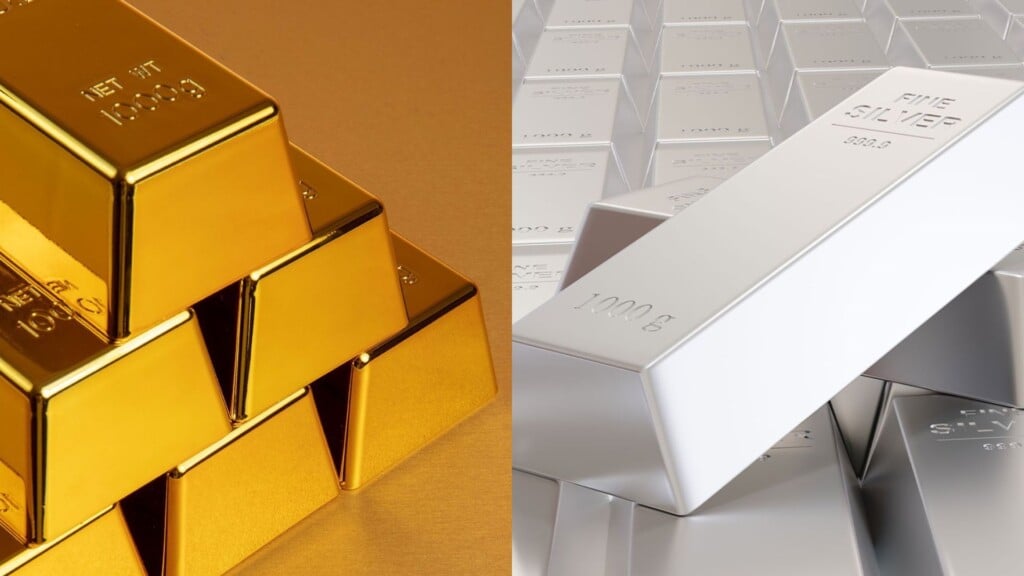
(CBS NEWS) – Sources from CBS say the shine is coming off gold and silver. Prices for the precious metals, which last week soared to record highs, are extending their slide after a sharp selloff on Friday.
Gold, which topped $5,500 last week, dipped below $4,500 per ounce in overnight trading. Friday’s decline amounted to the biggest one-day drop in the shiny metal’s price since 2013, noted Pepperstone senior research strategist Michael Brown. Silver also suffered its worst daily loss, tumbling more than 31%.
As of 10:30 a.m. EDT, gold and silver had rebounded to $4,779 and $81.
What’s behind the metals meltdown?
Investors have poured into the metals in the last year amid concerns about mounting global geopolitical uncertainty and government borrowing, as debt levels across the U.S. and other major economies continue to rise.
The sell-off on Friday came after President Trump announced Kevin Warsh as his nominee to succeed Jerome Powell as chair of the Federal Reserve. Although Warsh has over the last year argued in favor of lowering interest rates, he is generally viewed as “hawkish” on inflation.
With consumer prices still running above the Fed’s annual 2% target, that could incline Warsh against the kind of aggressive rate-cutting that President Trump has demanded, according to Wall Street analysts. Gold prices often (though not always) fall as interest rates rise because holdings of the metal don’t pay interest, leading investors to rotate into stocks and other risk assets in search of higher returns.
The plunge in precious metal prices was also fueled by a rebound in the dollar, which had fallen to its lowest level in four years before Warsh was nominated as Fed chair, according to JPMorgan analysts. The values of gold and the dollar typically move in opposite directions.
“We get a catalyst of a rebound in the U.S. dollar, to some degree on the back of the nomination of Warsh, and from that perspective, that’s really the trigger that leads to very swift, significant de-risking… and the real sharp rollover into Friday,” Gregory Shearer, executive director of global commodities research at J.P. Morgan, in a call with clients on Monday.
Other factors also fed into the sell-off. Investors had borrowed heavily capitalize on the run-up in gold over the last year. But once prices began to slide, many of those same investors faced rising margin requirements, the minimum amount set by brokerage firms to maintain their leveraged position, according to Nigel Green, CEO of financial consulting firm deVere Group.
“Many chose, or were forced, to sell,” Green said in an email. “This process pushes prices lower regardless of fundamentals.”
Where are precious metal prices headed now?
On Wall Street, opinions are mixed on where gold and silver prices go from here.
“The recovery may not be immediate or dramatic, but we believe the mechanics favor a bounce rather than continued freefall once the forced phase ends,” Green said.
JPMorgan analysts also think the hard assets are likely to recover. In a research note, commodities analysts with the bank lifted their year-end target for gold to $6,300.
But Neil Shearing, group chief economist at investment advisory firm Oxford Economics, said in a research note that he expects gold to end the year “well below current levels.”
“While some market participants may be buying gold due to genuine concerns about the global economic and political backdrop, our sense is that market exuberance and a dose of FOMO are inflating a bubble in gold,” he added.