Governor Ivey Announces $87 Million in RESTORE Act Funding for Projects in Coastal Alabama
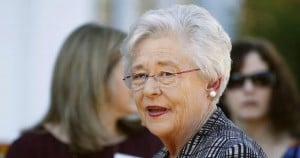
MONTGOMERY – Sources from an Alabama Press release say that Governor Kay Ivey announced on Thursday that the Gulf Coast Ecosystem Restoration Council (RESTORE Council) approved more than $403 million in funding decisions for restoration efforts spanning the Gulf Coast states. Alabama will benefit with projects totaling $87 million for restoration activities to address injuries resulting from the Deepwater Horizon Oil Spill. Alabama’s projects are part of the RESTORE Council’s Funded Priorities List (FPL) 4.
“Alabama’s coast is one of God’s greatest blessings to our state, and we have a responsibility to protect it,” said Governor Ivey. “These $87 million in restoration projects will strengthen our coastal communities, improve our waterways and preserve the natural beauty and resources that support Alabama jobs, tourism and outdoor recreation.”
The RESTORE Council is composed of the governors of the five Gulf States and the cabinet members from the Environmental Protection Agency (EPA), Department of the Interior (DOI), Department of Commerce, Department of Agriculture (USDA), Department of the Army, and the Department of Homeland Security. Alabama Department of Conservation and Natural Resources (ADCNR) Commissioner Chris Blankenship is Governor Ivey’s designee to the Council and served as the RESTORE Council State Chairman during the development of this FPL. The RESTORE Council unanimously voted to approve the 2026 FPL on Wednesday, June 10.
“The vote of approval for this FPL is a culmination of a lot of good work,” said Commissioner Blankenship. “There was a great deal of collaboration between the five states and six federal agencies to agree on this slate of projects. I am thankful for the positive efforts of all the members of the RESTORE Council and Council staff during this long but productive process. Alabama’s Deepwater Horizon Restoration Coordinator Amy Hunter and her staff will begin the coordination and implementation of the approved projects right away.”
Alabama Projects Approved by the RESTORE Council:
Upper Bay Marsh Beneficial Use Wetland Creation – $24 million
Alabama will construct the first 100-acre wetland restoration cell of a planned 1,200-acre tidal wetland restoration project in Upper Mobile Bay. The project will use suitable dredged material to create wetlands, restore habitat and strengthen the long-term health and resilience of Mobile Bay. This project is a continuation of the Upper Mobile Bay Beneficial Use Wetland Creation Site initiative and supports the RESTORE Comprehensive Plan’s goal of restoring and conserving habitat. The project will create new estuarine marsh through the beneficial use of dredged material while establishing the foundation for future wetland restoration efforts.
“Berth dredging at the Port of Mobile is critical to supporting Alabama’s economic growth, and approval of the project allows us to use this routine practice to restore and strengthen one of our most important natural resources,” said Alabama Port Authority Director and CEO Doug Otto. “This will be one of the largest coastal restoration efforts in Alabama history – one that keeps valuable sediment in Mobile Bay and puts it to work restoring critical wetlands and wildlife habitat. We’re proud to be part of this effort and grateful to ADCNR, the RESTORE Council and the many partners who have helped advance it over the last several years.”
Dauphin Island West End Renourishment and Resilience – $38 million
Alabama plans to restore 3.5 miles of linear dunes, 40 acres of sandy water bottoms and 160 acres of beach and dune habitat. This will provide protection for the estuarine habitats of the Mississippi Sound including seagrasses, oyster reefs, marshes, 30,000 acres of conservation lands and vulnerable coastal villages. This project supports the primary RESTORE Comprehensive Plan goal to replenish and protect living coastal and marine resources.
“When constructed, the West End restoration project will prove to be a significant and transformative investment in coastal Alabama,” said Dauphin Island Mayor Jeff Collier. “Not only will this project restore critical habitat for a variety of threatened and endangered species, it will also enhance the sustainability of our barrier island community and defend the vast natural resources in the Mississippi Sound while protecting mainland south Mobile County. For these reasons, I want to express my sincere appreciation to the RESTORE Council, Governor Kay Ivey and Commissioner Chris Blankenship for their unwavering support for this critically important project that will serve the entire region for many years to come.”
Coastal Alabama Water Quality Program – $9.5 million
The Water Quality Program began under the FPL 3b program and will now continue over the next 10 years. The FPL 4 funding will provide for both planning and implementation. The program supports the primary RESTORE Comprehensive Plan goal to restore water quality and quantity. Projects that will be implemented include construction of or upgrades to stormwater and wastewater systems, low impact development and septic to sewer conversion.
“The Water Quality Program has had a positive impact on Fairhope by providing critical funding for projects that protect our waterways, improve infrastructure and preserve the natural resources that make our area such a special place to live and work,” said Fairhope Mayor Sherry Sullivan. “We have already seen significant benefits from these investments, and I am excited to know that additional funding will be available so we can continue this important work along the Eastern Shore. Continued support for water quality initiatives helps ensure a healthier environment, a stronger economy and a better quality of life for future generations.”
Grand Batture Island Restoration – $11.95 million
Alabama will collaborate with Mississippi to restore the remnants of Grant Batture Island. This project will include planning as well as implementation and will support the restoration and protection of natural resources, ecosystems, fisheries, marine and wildlife habitats, beaches and coastal wetlands of the Gulf Coast region by creating, restoring and enhancing coastal habitats.
“The joint project with Mississippi on restoration of the Grand Batture Island and bar is exciting,” said Commissioner Blankenship. “It is the first project in all the Deepwater Horizon restoration projects that will span across state lines and be implemented jointly by two state agencies. I am thankful for our friends at the Mississippi Department of Environmental Quality and their willingness to partner with us on such an important project to build and protect coastal wetlands with the beneficial use of dredge material.”
“From Heron Bay across north Mississippi Sound and the Grand Bay Savannah, ADCNR has conserved over 13,000 acres of intertidal salt marsh and pine savannah in south Mobile County by leveraging partnerships and multiple funding sources,” said Dr. Amy Hunter, ADCNR’s Deepwater Horizon Restoration Coordinator. “But watersheds don’t stop at the state line. This project will build on our work to protect coastal wetlands with federal RESTORE Council funding that will support a new beneficial use project with our partners at the Mississippi Department of Environmental Quality to protect and enhance the Grand Bay Headland shared by both states.”
EPA Trash Free Waters – $1.8 million
This program’s goal is to prevent trash from entering waterways and to remove trash that is already in the environment. Activities include source reduction, trash capture, research and community engagement.
USDA Gulf Coast Conservation Reserve – $1.5 million
The Gulf Coast Conservation Reserve Program works with private landowners to reduce soil erosion, improve water quality and enhance fish and wildlife habitat within priority watersheds of the Gulf. The USDA’s Natural Resources Conservation Service provides technical and financial resources to help landowners plan and implement conservation practices.
DOI Tribal Youth Conservation Corps – $290,000
This program provides conservation and cultural resource training and employment opportunities to Native American youth. Projects occur on both public lands and tribal lands, providing hands-on experiences in areas like forestry, wildlife management and infrastructure development.
Additional information on the projects and programs included in FPL 4 as well as prior FPL activities can be found at restorethegulf.gov. For more information about Deepwater Horizon restoration projects in Alabama, click here.