Trump administration exempts oil and gas drilling in the Gulf from Endangered Species Act
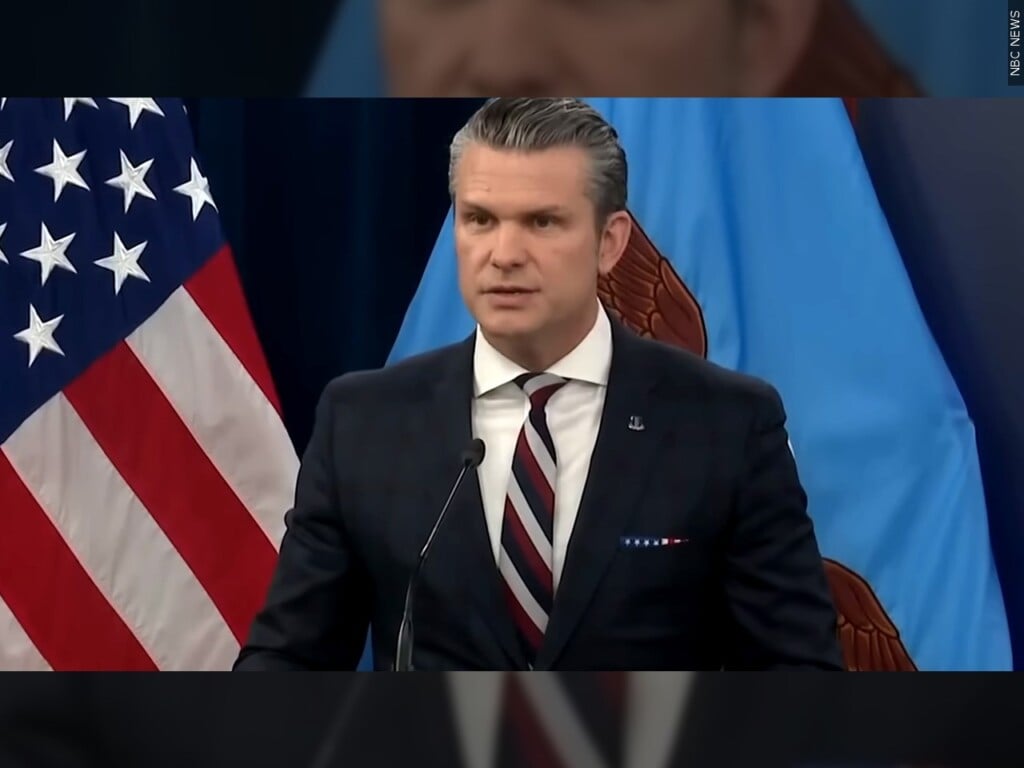
(CBS NEWS) – According to CBS News, the Trump administration on Tuesday exempted oil and gas drilling in the Gulf of Mexico from the Endangered Species Act after Defense Secretary Pete Hegseth said environmentalists’ lawsuits threatened to hobble domestic energy supplies as the U.S. wages war against Iran.
Critics said the move by the government’s Endangered Species Committee could doom a rare whale species and harm other marine life. Nicknamed the “God Squad” by groups who say it can decide a species’ fate, the committee comprises several Trump administration officials and is chaired by Interior Secretary Doug Burgum.
It met on Tuesday for the first time in more than three decades amid global oil shocks and soaring energy prices brought on by the Iran war. The U.S. pumps more oil than any other nation, but that hasn’t insulated it from spiking prices: The national average for a gallon of gasoline topped $4 Tuesday for the first time since 2022.
“Disruptions to Gulf oil production don’t hurt just us; it benefits our adversaries,” Hegseth told the committee. “We cannot allow our own rules to weaken our standing and strengthen those who wish to harm us. When development in the Gulf is chilled, we are prevented from producing the energy we need as a country and as a department.”
Environmental groups sought unsuccessfully to block Tuesday’s meeting and pledged to challenge the exemption. They say the exemption would speed the extinction of the rare Rice’s whale, which is found exclusively in the Gulf of Mexico. Government biologists say only about 50 of the animals remain.
“If Trump is successful here, he could be the first person in history to knowingly extirpate a species from the face of the earth. That’s how precarious the condition of the Rice’s whale is,” said Patrick Parenteau, emeritus professor of law at Vermont Law School. Parenteau dismissed Hegseth’s claims of a security threat, since companies have continued to look for and extract oil in the Gulf despite legal challenges over the critically endangered whale.
Streamlined approvals for drilling
The federal government has not allowed drilling in federal waters in the eastern Gulf, which includes offshore Florida and part of offshore Alabama, since 1995, because of concerns about oil spills. During his last days in office, former President Joe Biden sought to ban new offshore oil and gas drilling in most U.S. coastal waters, citing the climate crisis.
President Trump reversed that policy and made increased fossil fuel production a central focus of his second term. The Republican wants to open new areas of the Gulf off the Florida coast to drilling, and has proposed sweeping rollbacks of environmental regulations disliked by industry.
Hegseth notified Burgum on March 13 that an Endangered Species Act exemption for oil and gas drilling in the Gulf was “necessary for reasons of national security.”
Hegseth told committee members Tuesday that Iran’s efforts to block shipping through the world’s busiest oil route, the Strait of Hormuz, underscored the national security imperative of robust domestic oil production. He said pending litigation from environmental groups “threatened to halt” oil production in the Gulf.
Mr. Trump has voiced his own frustration with the 1973 law and similar environmental protections, saying environmentalists are impeding growth. The Trump administration also has other plans to overhaul the Endangered Species Act to make it easier to build in the U.S. where endangered species live.
Industry observers said the exemption could have significant implications for energy companies by streamlining approvals of new projects and impeding opponents’ ability to derail drilling plans.
“Serial litigation from activist groups targeting a lawful, well-regulated industry should not be allowed to indefinitely obstruct projects of clear national importance,” said Erik Milito with the National Ocean Industries Association, which represents offshore developers.
The Gulf of Mexico is one of the nation’s top oil regions, producing 2 million barrels a day. It accounts for almost 15% of crude pumped annually in the U.S., plus a small share of domestic natural gas production.
The Gulf of Mexico also has been the scene of environmental disasters such as BP’s Deepwater Horizon blowout in 2010 that killed 11 workers and spilled 134 million gallons of oil. Rice’s whale numbers dropped by 22% following the accident and could take decades to recover, scientists said.
A spill in the Gulf earlier this month off the Mexican coast spread 373 miles, contaminating at least six species and polluting seven protected natural reserves.
The Trump administration in mid-March approved BP’s new $5 billion ultra-deepwater drilling project in the Gulf.
Whales, turtles and sturgeon at risk
Former federal disaster response specialists and national environmental groups have raised concerns that job and funding cuts in the early months of Mr. Trump’s second term could hamper the government’s response to incidents such as last year’s oil spill off Louisiana’s Gulf Coast — a leak that quickly contaminated marshlands and threatened vital wildlife habitats and fisheries.
A 2025 National Marine Fisheries Service analysis also determined the Gulf oil and gas program was likely to harm several species of whales, sea turtles and Gulf sturgeon. They face potential harm from ship strikes, oil spills and other impacts.
The Gulf exemption is the first time national security has been cited to justify action by the Endangered Species Committee. Conservation groups immediately condemned the action and asserted it was done illegally.
“The Endangered Species Act has not slowed an iota of oil from being extracted from the Gulf,” said Defenders of Wildlife President Andrew Bowman. “I cannot stress enough how unprecedented and unlawful this action is.”
Since 1973, the Endangered Species Act has made it illegal to harm or kill species on a protected list. The committee was formed in 1978 as a way to exempt projects if no alternative would provide the same economic benefits in a region or if it was in the nation’s best interest.
Before this week, the panel had convened just three times and issued only two exemptions. The first was in 1979 to allow construction on a dam on the Platte River in Wyoming, home to the whooping crane. It last met in 1992, allowing logging in northern spotted owl habitats in Oregon. That exemption request was later withdrawn.
Its latest meeting follows a federal judge’s ruling on Monday that struck down attempts during Mr. Trump’s first term to weaken rules for endangered species.
The panel’s members include the secretaries of agriculture, interior and the Army, the chairperson of the Council of Economic Advisers, and the administrators of both the Environmental Protection Agency and the National Oceanic and Atmospheric Administration. They all voted in favor of Hegseth’s request for an exemption.